
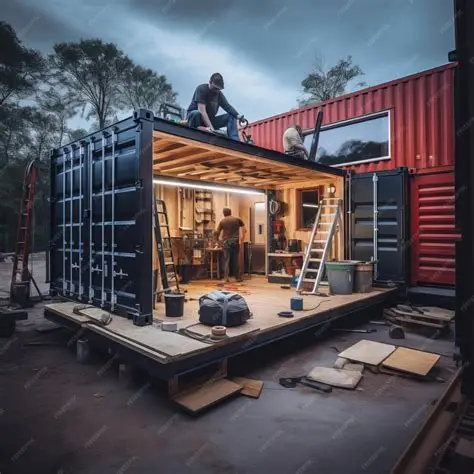
Exploring the realm of shipping container architecture, this introduction delves into the innovative use of containers in building structures, highlighting their origins and eco-friendly advantages. The discussion also showcases renowned projects that have embraced this unique architectural approach.
Introduction to Shipping Container Architecture
Shipping container architecture is a form of architecture that utilizes recycled shipping containers as the primary structural element in building construction. It originated in the early 2000s as a sustainable and cost-effective building solution.
Benefits of Shipping Container Architecture
- Cost-Effective: Using shipping containers as building blocks can significantly reduce construction costs compared to traditional methods.
- Modular and Flexible: Containers can be easily stacked, modified, and transported to create various building designs.
- Durable and Secure: Shipping containers are designed to withstand harsh weather conditions and provide security for occupants.
Environmental Sustainability
Shipping container architecture promotes sustainability by repurposing used containers, reducing construction waste, and minimizing the need for new materials. This eco-friendly approach helps lower the carbon footprint of building projects.
Examples of Famous Buildings
- The Container City in London, UK:A mixed-use development comprised of colorful stacked containers serving as residential and office spaces.
- Redondo Beach House in California, USA:A modern beach house featuring a unique design with multiple shipping containers creating a stunning architectural masterpiece.
Design Considerations for Shipping Container Architecture
When it comes to designing with shipping containers, architects and designers face a unique set of challenges and opportunities. These steel boxes offer a sustainable and cost-effective alternative to traditional building materials, but their unconventional shape and size require creative solutions.
Adapting Shipping Containers for Various Functions
Shipping containers can be adapted for a wide range of functions, from residential homes to commercial spaces. Architects often have to consider how to maximize space within the limited dimensions of a container while ensuring structural integrity and functionality.
Comparing Traditional Building Materials with Shipping Containers
Compared to traditional building materials like wood or concrete, shipping containers offer greater design flexibility due to their modular nature. They can be easily stacked, combined, and modified to create unique and innovative structures that stand out from conventional buildings.
Innovative Design Techniques for Shipping Container Architecture
Architects have developed innovative design techniques specific to shipping container architecture, such as cutouts for windows and doors, multi-level configurations, and creative facade treatments. These techniques allow for customization and personalization while maintaining the industrial aesthetic of the containers.
Structural Integrity and Modifications
When using shipping containers for construction, maintaining structural integrity is crucial to ensure the safety and stability of the building. These containers are designed to withstand the rigors of transportation, but modifications are often necessary to adapt them for architectural purposes.
Maintaining Structural Integrity
Shipping containers are inherently strong due to their steel construction, making them suitable building blocks for various structures. To maintain structural integrity, engineers may reinforce key areas, such as corners and sidewalls, to ensure the container can support additional loads.
Welding additional steel beams or braces can help distribute weight and enhance stability.
Common Modifications
Common modifications made to shipping containers for architectural purposes include cutting openings for windows and doors, adding insulation for climate control, and connecting multiple containers to create larger spaces. These modifications require careful planning to maintain the structural integrity of the container while achieving the desired design outcome.
Creative Structural Modifications
Creative structural modifications can enhance functionality and aesthetics of shipping container architecture. Examples include cantilevered extensions for additional living space, rooftop gardens for greenery and insulation, and stacking containers to create multi-level structures. These modifications not only add unique features but also contribute to the overall design innovation
Impact on Stability and Safety
While modifications can enhance the functionality of shipping container structures, they can also impact the overall stability and safety of the building. Proper structural analysis and reinforcement are essential to ensure that the modifications do not compromise the integrity of the container.
Working with experienced architects and engineers is crucial to maintain safety standards and structural stability throughout the construction process.
Interior Design and Space Utilization
When it comes to shipping container architecture, optimizing interior space is key to creating functional and comfortable living or working spaces. Let's explore strategies for maximizing space, the importance of natural light, ventilation, and insulation, as well as unique design trends specific to shipping container structures.
Optimizing Interior Space
One of the most common strategies for maximizing interior space in shipping container architecture is through open floor plans. By eliminating unnecessary walls and partitions, you can create a sense of spaciousness within a limited area. Additionally, utilizing multi-functional furniture pieces such as Murphy beds, foldable tables, and built-in storage can help make the most of every square foot.
Natural Light, Ventilation, and Insulation
- Maximizing natural light can make a small space feel larger and more inviting. Consider adding windows, skylights, or glass doors to allow sunlight to flood the interior.
- Proper ventilation is essential in a shipping container to prevent moisture buildup and ensure air circulation. Installing vents or fans can help regulate temperature and air quality.
- Insulation is crucial for maintaining a comfortable indoor environment, especially in extreme weather conditions. Adding insulation to the walls, floor, and ceiling can help regulate temperature and reduce energy costs.
Tips for Creating Comfortable Spaces
- Choose light colors for walls and furniture to create a sense of openness.
- Use mirrors to reflect light and create the illusion of more space.
- Invest in high-quality insulation to keep the interior comfortable year-round.
- Add plants or green walls to bring nature indoors and improve air quality.
Unique Design Trends
Shipping container architecture offers a unique canvas for creativity and innovation in interior design. Some trends include industrial chic decor, minimalist Scandinavian design, and eco-friendly materials such as reclaimed wood and recycled glass. Embracing the industrial aesthetic of shipping containers while adding modern touches can result in a truly distinctive and stylish living or working space.
Last Point
Concluding our exploration of shipping container architecture, this summary encapsulates the essence of utilizing containers for construction, emphasizing their versatility and sustainability. The captivating journey through this architectural landscape leaves a lasting impression on the possibilities offered by repurposing shipping containers.
Top FAQs
How are shipping containers repurposed in architecture?
Shipping containers are transformed into habitable spaces by cutting openings for doors and windows, insulating them, and reinforcing their structural integrity.
What are the benefits of using shipping containers for building structures?
Shipping containers offer cost-effective construction, eco-friendly design, and quick assembly compared to traditional building materials.
Can shipping container architecture be customized for different functions?
Yes, architects and designers can adapt shipping containers for residential, commercial, and even public spaces by creatively modifying their layout and features.
How do modifications affect the safety of shipping container structures?
Properly executed modifications can enhance functionality and aesthetics without compromising the overall stability and safety of the structure.
What interior design trends are specific to shipping container architecture?
Utilizing multi-functional furniture, maximizing natural light, and incorporating sustainable materials are popular trends in interior design for shipping container structures.