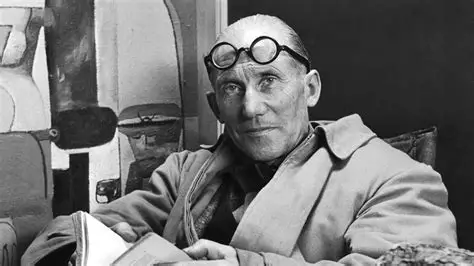
Delving into the world of architecture, one name stands out prominently - Le Corbusier. Known for his groundbreaking designs and innovative approach, this visionary architect left an indelible mark on the architectural landscape of the 20th century. From his early beginnings to his enduring influence, this exploration will shed light on the life and works of the iconic Le Corbusier.
As we unravel the layers of his architectural genius, we will uncover the core principles that shaped his creations and examine the lasting impact of his revolutionary ideas.
Overview of Le Corbusier
Le Corbusier, born as Charles-Édouard Jeanneret-Gris in Switzerland in 1887, was a pioneering architect, designer, urban planner, and writer. He was one of the most influential figures in the development of modern architecture.
Background and Early Life
Le Corbusier's interest in architecture was sparked during his travels to Italy and Greece, where he was inspired by classical architecture. He later moved to Paris, where he started his architectural practice and adopted the pseudonym Le Corbusier.
Impact on Modern Architecture
Le Corbusier is known for his innovative approach to design, promoting the use of open floor plans, pilotis (supporting columns), and roof gardens. His principles of architecture focused on functionality, efficiency, and the use of geometric forms.
Major Architectural Works
Some of Le Corbusier's most iconic works include the Villa Savoye in France, the Unité d'Habitation in Marseille, and the Chandigarh Capitol Complex in India. These buildings showcase his signature style of clean lines, bold forms, and a harmonious relationship with the surrounding environment.
Architectural Style of Le Corbusier
Le Corbusier, a pioneer of modern architecture, is known for his revolutionary architectural style that emphasized functionality, open spaces, and geometric forms. His designs were influenced by the principles of the International Style, focusing on simplicity, clean lines, and a rejection of ornamentation.
Key Characteristics of Le Corbusier’s Architectural Style
- Use of pilotis (supporting columns) to elevate buildings, creating an open ground floor
- Rooftop terraces and flat roofs to maximize outdoor living space
- Ribbon windows and open floor plans for natural light and ventilation
- Cubic forms and geometric shapes in design
Materials and Innovative Design Concepts
Le Corbusier often used materials such as concrete, steel, and glass in his designs, embracing new technologies and industrial materials. He believed in the concept of the "machine for living," where buildings were efficient, functional, and adaptable to modern life.
Comparison to Other Prominent Architects
Compared to his contemporaries like Frank Lloyd Wright and Mies van der Rohe, Le Corbusier's style was more focused on mass production and standardization. While Wright emphasized organic architecture and the integration of buildings with nature, Le Corbusier sought to create efficient, modular designs for the urban environment.
Influence of Le Corbusier
Le Corbusier's influence extends beyond just his architectural works. He made significant contributions to urban planning, modern furniture design, and contemporary architecture.
Urban Planning
- Le Corbusier revolutionized urban planning by introducing the concept of "Radiant City," which emphasized the separation of functions in urban areas - residential, work, and recreation.
- His urban planning principles focused on efficient land use, transportation connectivity, and green spaces, influencing city layouts worldwide.
- Le Corbusier's ideas laid the foundation for modern urban planning practices and influenced the design of many cities, including Chandigarh in India.
Modern Furniture Design
- Le Corbusier was a pioneer in modern furniture design, creating iconic pieces like the LC2 armchair and the LC4 chaise lounge.
- His furniture designs emphasized functionality, simplicity, and clean lines, setting a new standard for modern furniture aesthetics.
- Le Corbusier's furniture pieces are still highly sought after today, showcasing his enduring influence on the design world.
Impact on Contemporary Architecture
- Le Corbusier's architectural principles, such as open floor plans, pilotis (support columns), and facade design, have had a lasting impact on contemporary architecture.
- His focus on light, space, and functionality continues to inspire architects around the world, influencing the design of residential, commercial, and public buildings.
- Many modern architects draw inspiration from Le Corbusier's innovative approach to architecture, ensuring that his legacy lives on in the buildings we see today.
Le Corbusier’s Design Philosophy
Le Corbusier's design philosophy was guided by the principles of functionality, minimalism, and the harmony between architecture and urban planning. He believed in creating buildings that served their purpose efficiently while also embodying a sense of beauty and order.One of the key principles in Le Corbusier's design philosophy was the concept of "Form Follows Function." This idea emphasized that the shape and design of a building should be determined by its intended function.
He believed that architecture should prioritize the needs of the users and adapt to modern living conditions.
Implementation of Design Philosophy
Le Corbusier's design philosophy can be seen in his iconic buildings such as Villa Savoye and the Unité d'Habitation. These structures feature clean lines, open floor plans, and a focus on natural light and ventilation. The use of pilotis (supporting columns), flat roofs, and ribbon windows were also common elements in his designs, showcasing his commitment to functionality and simplicity.
Relationship between Form and Function
In Le Corbusier's work, the relationship between form and function was paramount. He believed that the aesthetic appeal of a building should be a result of its practicality and suitability for its purpose. By prioritizing the function of a space, he was able to create designs that were not only visually striking but also highly functional and comfortable for the inhabitants.
Epilogue
In conclusion, the legacy of Le Corbusier transcends time, inspiring architects and designers to push the boundaries of creativity and functionality. His vision continues to resonate in modern architecture, reminding us of the power of innovative thinking and the beauty of blending form with function.
FAQ Corner
What were Le Corbusier's major architectural works?
Some of his notable works include Villa Savoye, Ronchamp Chapel, and the Unité d'Habitation in Marseille.
How did Le Corbusier influence modern furniture design?
Le Corbusier's minimalist and functional approach to architecture extended to furniture design, inspiring modern furniture pieces that are both stylish and practical.
What key characteristics define Le Corbusier's architectural style?
His use of geometric forms, open floor plans, and incorporation of natural light are key elements that define his architectural style.