Embark on a journey through the stunning architectural marvel known as the Gaudi Cathedral. From its unique design to the intricate details that adorn its facade, this iconic structure in Barcelona holds a rich history and cultural significance that continues to captivate visitors from around the world.
Architectural Design
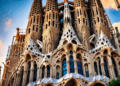
Antoni Gaudi's Cathedral, also known as Sagrada Familia, showcases a unique architectural style that blends Gothic and Art Nouveau influences. The design of the cathedral is characterized by its organic shapes, intricate details, and towering spires that reach towards the sky.
Antoni Gaudi’s Vision
Antoni Gaudi's vision for the cathedral was inspired by nature, with elements such as tree-like columns, floral motifs, and sculptural facades that mimic natural forms. His goal was to create a spiritual and awe-inspiring space that would connect people with the divine through architecture.
Symbolism in Facade Details
The facade of the Gaudi Cathedral is filled with symbolic details that tell the story of the Catholic faith. From the Nativity facade depicting the birth of Jesus to the Passion facade representing his crucifixion, each intricate carving and sculpture carries deep religious symbolism.
The use of symbolism in the facade design adds layers of meaning and significance to the overall architectural masterpiece.
Construction History
The construction of the Gaudi Cathedral, also known as the Sagrada Familia, began in 1882 under the direction of architect Antoni Gaudi. However, due to various challenges, the cathedral remains unfinished to this day.
Construction Timeline
- 1882-1926: Antoni Gaudi oversaw the construction of the cathedral until his death in 1926.
- 1930s-1980s: Progress on the cathedral was slow due to interruptions caused by the Spanish Civil War and lack of funding.
- 1980s-present: Various architects have continued Gaudi's work, aiming to complete the cathedral by 2026, the centenary of Gaudi's death.
Challenges Faced
- Funding: The construction of the cathedral heavily relied on donations, causing financial constraints and delays.
- Technological limitations: The innovative design of the cathedral required advanced construction techniques that were not available during Gaudi's time.
- Weather and natural disasters: The cathedral has faced damage from fires, bombings, and earthquakes, further delaying its completion.
Techniques and Materials Used
- Modern construction methods: Contemporary architects have incorporated digital design tools and 3D printing to realize Gaudi's vision.
- Natural stone: The cathedral is primarily constructed using stone quarried from Montjuïc, giving it a unique and organic aesthetic.
- Stained glass: Intricate stained glass windows adorn the cathedral, casting colorful light patterns inside.
Iconic Features
The Gaudi Cathedral, also known as the Sagrada Familia, is renowned for its unique and distinctive features that set it apart from other architectural marvels.
Spires
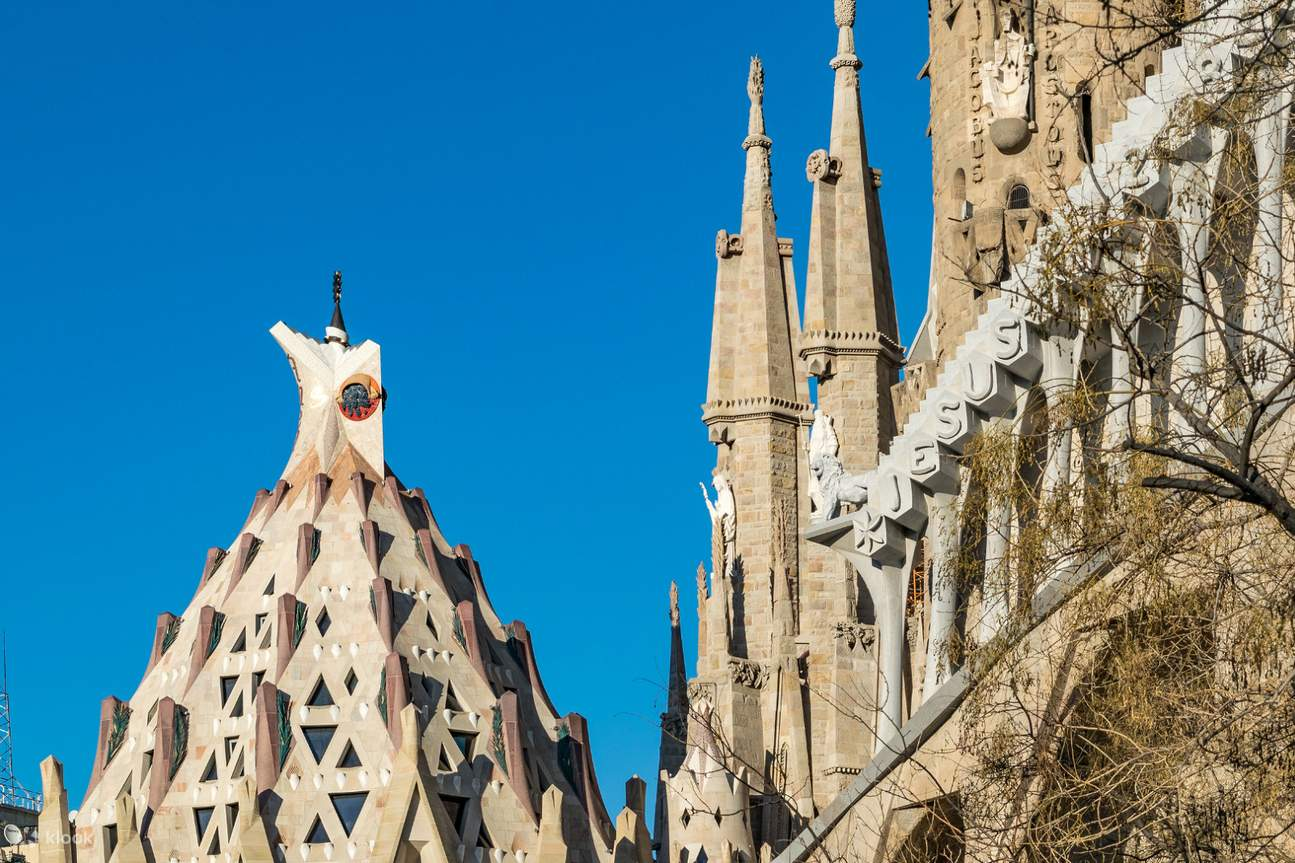
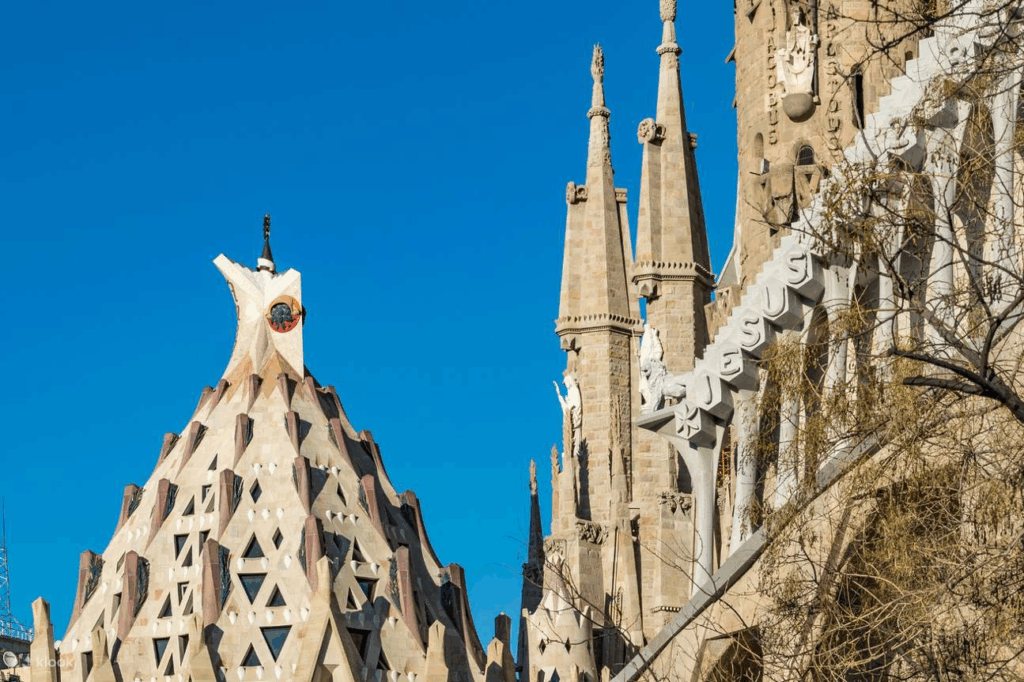
The towering spires of the Gaudi Cathedral are one of its most striking features, reaching up into the sky and dominating the Barcelona skyline. Each spire is intricately designed and adorned with intricate sculptures and geometric patterns, reflecting Gaudi's vision of reaching towards the heavens.
Façades
The facades of the Gaudi Cathedral are like no other, featuring elaborate designs and detailed sculptures that tell stories from the Bible and Christian teachings. The Nativity Facade, Passion Facade, and Glory Facade each have their own unique style and symbolism, showcasing Gaudi's deep religious beliefs.
Interior Elements
Upon entering the Gaudi Cathedral, visitors are greeted by a breathtaking interior filled with colorful stained glass windows, towering columns that resemble tree trunks, and a mesmerizing play of light and shadows. The intricate details and organic shapes throughout the interior create a sense of awe and wonder, inviting contemplation and reflection.
Natural Elements Inspiration
Gaudi's design choices for the Gaudi Cathedral were heavily inspired by nature, with elements such as tree-like columns, floral motifs, and organic shapes prevalent throughout the architecture. Gaudi believed that nature held the ultimate truth in design and sought to bring this organic beauty into his creations, resulting in a truly unique and awe-inspiring masterpiece.
Cultural Impact
The Gaudi Cathedral, also known as the Sagrada Familia, holds immense cultural significance in Barcelona and beyond. This architectural masterpiece by Antoni Gaudi has become a symbol of Catalan identity, representing the unique blend of tradition, innovation, and artistic expression that characterizes the region.
Symbol of Catalan Identity
- The Gaudi Cathedral stands as a symbol of Catalan identity, reflecting the rich cultural heritage and distinct architectural style of the region.
- Its intricate design and incorporation of natural elements pay homage to Catalonia's history, traditions, and connection to nature.
- The cathedral's ongoing construction, spanning generations, showcases the resilience and commitment of the Catalan people to preserve their cultural identity.
Influence on Modern Architecture
- Gaudi's innovative architectural techniques and unconventional designs have had a profound impact on modern architecture worldwide.
- His use of organic shapes, structural innovation, and attention to detail have inspired countless architects and designers to push the boundaries of traditional design.
- The Gaudi Cathedral's influence can be seen in contemporary buildings that prioritize sustainability, integration with nature, and unique aesthetic expressions.
Final Conclusion
As we conclude our exploration of the Gaudi Cathedral, it's evident that Antoni Gaudi's visionary creation stands as a timeless symbol of architectural brilliance and cultural pride. The fusion of art, nature, and spirituality within its walls leaves a lasting impression on all who have the privilege to experience its grandeur.
Q&A
What is the significance of the spires in Gaudi Cathedral?
The spires represent the twelve apostles and are symbolic of reaching towards the heavens.
How did natural elements inspire Gaudi's design choices?
Gaudi drew inspiration from forms in nature such as trees, shells, and animals, incorporating organic shapes and patterns into the cathedral's design.
Why is the Gaudi Cathedral considered a symbol of Catalan identity?
It is seen as a symbol of Catalan nationalism and pride, reflecting the region's unique cultural heritage and history.