
Embark on a journey through the life and work of Frank Lloyd Wright, a visionary architect who left an indelible mark on the world of architecture. From his groundbreaking designs to his lasting influence, discover the fascinating story behind this iconic figure.
Background of Frank Lloyd Wright
Frank Lloyd Wright, born in 1867, was an American architect known for his groundbreaking designs that redefined the principles of modern architecture. His career spanned over seven decades, during which he created iconic structures that continue to inspire architects worldwide.Wright's architectural style, often referred to as "organic architecture," emphasized the harmony between human habitation and the natural environment.
He believed in designing structures that complemented their surroundings, integrating elements such as open floor plans, horizontal lines, and natural materials like wood and stone.The influence of Frank Lloyd Wright on modern architecture cannot be overstated. His innovative approach to design, use of new materials, and focus on functionality have shaped the way buildings are conceived and constructed to this day.
Wright's work has inspired generations of architects to think differently about the relationship between architecture, nature, and society.
Architectural Style and Influence
- Organic Architecture: Wright's approach to design focused on creating structures that harmonized with their environment, blurring the lines between indoor and outdoor spaces.
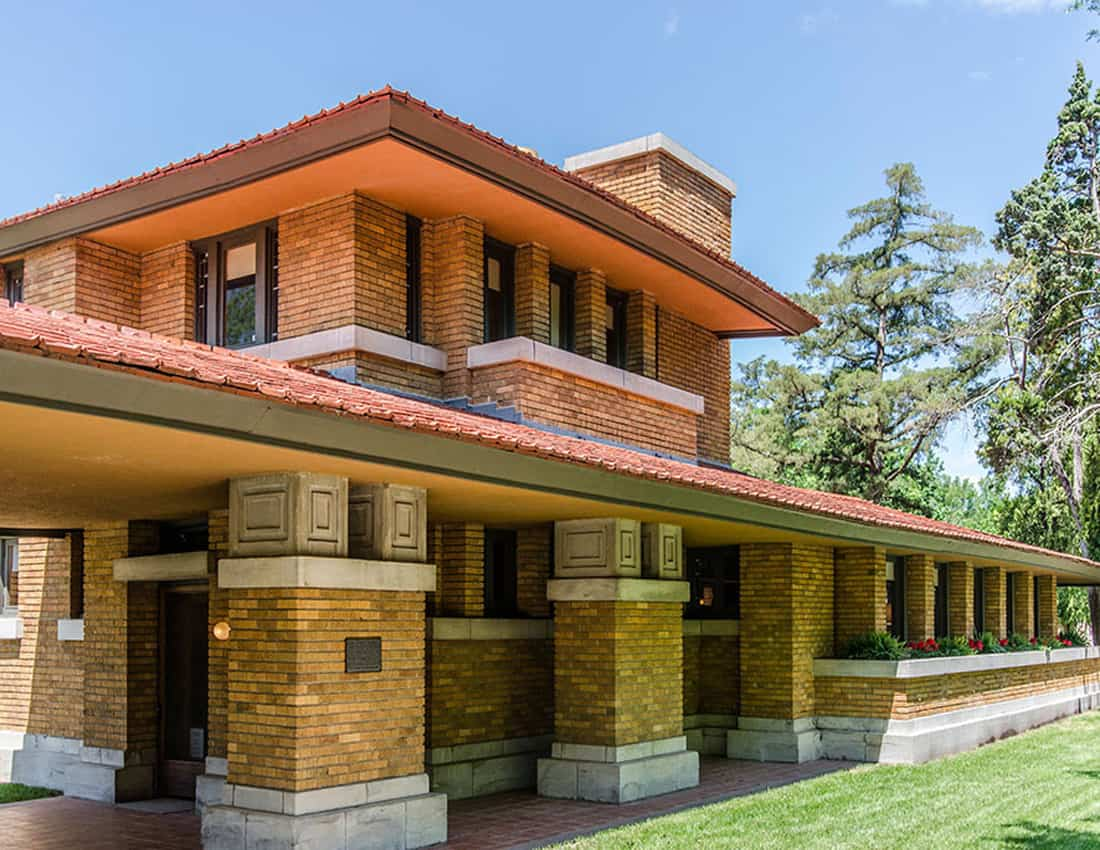
- Prairie Style: Known for his Prairie School designs, Wright emphasized horizontal lines, overhanging eaves, and open floor plans that reflected the expansive Midwestern landscape.
- Use of Natural Materials: Wright favored natural materials like wood, stone, and glass, incorporating them into his designs to create a sense of unity between the built environment and nature.
Significance in Architectural History
- Innovative Design Principles: Wright's innovative design principles, such as open floor plans and integration with nature, have had a lasting impact on architectural theory and practice.
- Legacy of Inspiration: Wright's work continues to inspire architects and designers around the world, influencing the way buildings are conceived and constructed.
- Cultural Icon: Frank Lloyd Wright is not only a renowned architect but also a cultural icon whose legacy extends beyond the realm of architecture, influencing art, design, and popular culture.
Notable Works
Frank Lloyd Wright, known for his innovative architectural designs, created several iconic buildings that have left a lasting impact on the architectural world.
Fallingwater
Fallingwater, located in Pennsylvania, is one of Frank Lloyd Wright's most famous works. Completed in 1939, this stunning residence is built over a waterfall, seamlessly blending with its natural surroundings. The cantilevered design of the house gives it a sense of weightlessness, creating a harmonious relationship between nature and architecture.
Guggenheim Museum
The Guggenheim Museum in New York City is another masterpiece by Frank Lloyd Wright. Completed in 1959, the museum's spiral design is a departure from traditional museum architecture. The continuous ramp that spirals upwards allows visitors to experience the art in a unique and fluid way, challenging the conventional notions of exhibition spaces.
Impact on Architecture
Frank Lloyd Wright's innovative designs, characterized by organic architecture and integration with nature, have had a profound influence on the architectural world. His vision of creating buildings that harmonize with their environment and serve the needs of their occupants continues to inspire architects to this day.
Wright's iconic structures have set a new standard for architectural design, challenging the boundaries of what is possible in the built environment.
Design Principles
Frank Lloyd Wright, known for his innovative architectural designs, followed several key design principles that set his work apart from others. His designs were heavily influenced by nature and he believed in creating harmony between the built environment and the natural world.
Nature-Inspired Design
Wright's design philosophy was deeply rooted in nature. He believed in organic architecture, which meant designing structures that were in harmony with the natural surroundings. This philosophy is evident in his use of natural materials like wood and stone, as well as his incorporation of natural elements such as light and water into his designs.
Wright's buildings often featured open floor plans and large windows to bring the outdoors in, blurring the lines between interior and exterior spaces.
Organic Architecture
One of the most significant aspects of Wright's work was his use of organic architecture. This approach focused on creating buildings that were not only visually harmonious with their surroundings but also functioned in harmony with the people who inhabited them.
Wright believed that architecture should be a natural outgrowth of the landscape and the needs of the occupants. He often used geometric shapes and clean lines in his designs, drawing inspiration from the natural world to create buildings that felt like they belonged in their environment.
Unity of Design
Another key design principle that Wright followed was the unity of design. He believed that every element of a building should work together cohesively to create a unified whole. This meant that everything from the overall form of the building to the smallest detail, such as the furniture and lighting fixtures, should be carefully considered and integrated into the design.
Wright's attention to detail and his commitment to creating a holistic architectural experience set him apart as a master of his craft.
Legacy and Influence
Frank Lloyd Wright's impact on contemporary architecture is undeniable, with his innovative ideas and design principles continuing to inspire architects around the world. His legacy extends far beyond his time, shaping the way we think about space, materials, and the relationship between buildings and their environment.
Lasting Influence
Frank Lloyd Wright's influence can be seen in the organic architecture movement, which emphasizes harmony between human habitation and the natural world. Architects today still look to his work for inspiration on how to create spaces that are both functional and beautiful, while also respecting the environment.
- Wright's use of open floor plans and integration of nature into his designs have become staples in modern architecture, with many architects striving to create buildings that feel connected to their surroundings.
- His emphasis on using local materials and sustainable construction practices has also had a lasting impact on the field, as more and more architects prioritize environmentally friendly design solutions.
- Wright's philosophy of "organic architecture," which seeks to create buildings that are in harmony with their surroundings, continues to shape the way architects approach their projects today.
Influence on Sustainable Architecture
Frank Lloyd Wright's work has been instrumental in shaping the field of sustainable architecture, as his emphasis on incorporating natural elements and energy-efficient design principles aligns closely with the goals of modern sustainable architecture practices.
- Wright's use of passive solar design, where buildings are oriented to maximize natural light and heat, has become a fundamental aspect of sustainable architecture in reducing energy consumption.
- His integration of landscaping and natural elements into his designs has inspired architects to consider the environmental impact of their projects and find ways to minimize their carbon footprint.
- Wright's belief in designing buildings that are both beautiful and functional while also being environmentally conscious continues to drive innovation in sustainable architecture practices today.
Closing Notes
In conclusion, Frank Lloyd Wright's legacy continues to shape the architectural landscape, inspiring generations of architects to think beyond traditional boundaries and embrace innovation. As we reflect on his timeless contributions, we are reminded of the enduring impact of his visionary creations.
Expert Answers
What was Frank Lloyd Wright known for?
Frank Lloyd Wright was known for his innovative architectural designs that embraced nature and organic principles, revolutionizing the field of modern architecture.
Which are some of Frank Lloyd Wright's most famous buildings?
Some of Frank Lloyd Wright's most famous buildings include Fallingwater, the Guggenheim Museum, and the Robie House.
How did nature influence Frank Lloyd Wright's design philosophy?
Nature served as a primary source of inspiration for Frank Lloyd Wright, influencing his design principles and leading to the creation of organic architecture.
What is the lasting legacy of Frank Lloyd Wright in contemporary architecture?
Frank Lloyd Wright's legacy in contemporary architecture is characterized by his innovative design principles, which continue to inspire architects to this day.
How has Frank Lloyd Wright's work influenced sustainable architecture practices?
Frank Lloyd Wright's emphasis on harmonizing with nature and sustainable design has had a significant impact on modern sustainable architecture practices.