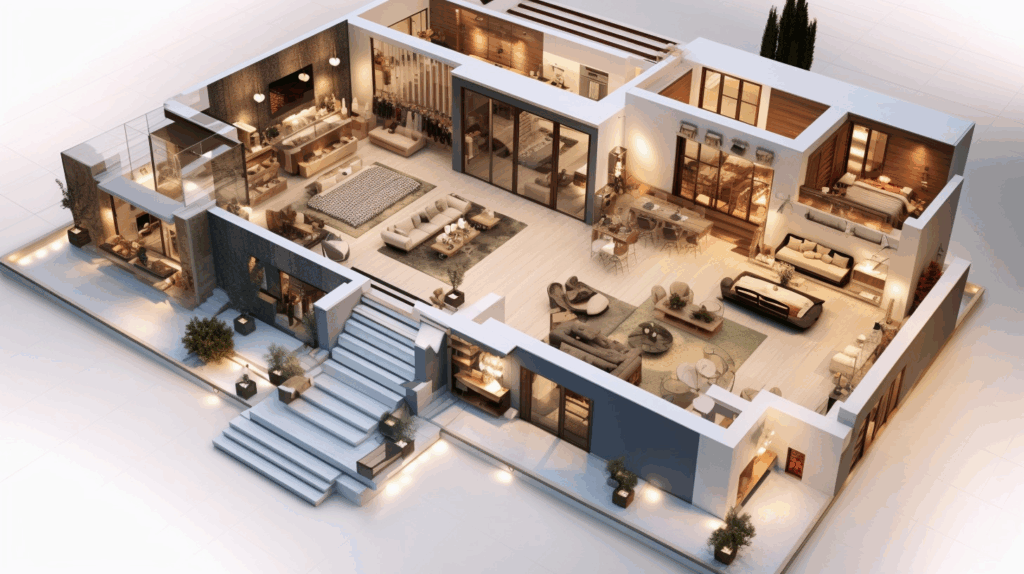
Crafting the Perfect Home Architecture Design: A Comprehensive Guide
Embark on a journey through the world of home architecture design, where aesthetics meet functionality in the most captivating ways. This guide will unravel the key elements and styles that shape modern living spaces, offering a glimpse into the innovative technologies transforming architectural processes.
Importance of Home Architecture Design
Home architecture design plays a crucial role in creating a space that is not only visually appealing but also functional for everyday living. The layout, materials, and overall design of a home can have a significant impact on the quality of life for its occupants.
Enhanced Living Experiences
Well-designed architecture can enhance daily living experiences in various ways. For example, open floor plans can create a sense of spaciousness and promote social interaction among family members. Natural light and ventilation in a home can improve mood and energy levels, while efficient use of space can maximize comfort and convenience.
Impact on Mood and Well-being
- Strategic placement of windows and doors can allow for better natural light and airflow, contributing to a more positive atmosphere.
- Integration of green spaces or indoor plants can promote relaxation and reduce stress levels.
- Use of calming colors and materials can create a sense of tranquility and promote overall well-being.
Elements of Home Architecture Design
When it comes to designing a home, several key elements play a crucial role in creating a functional and aesthetically pleasing space. From lighting and layout to materials and colors, each element contributes to the overall design and ambiance of a home.
Lighting
Effective lighting is essential in home architecture design as it not only illuminates the space but also sets the mood and ambiance. Natural light, in particular, plays a significant role in creating a warm and inviting atmosphere. Incorporating large windows, skylights, or light wells can maximize natural light and reduce the need for artificial lighting during the day.
Layout
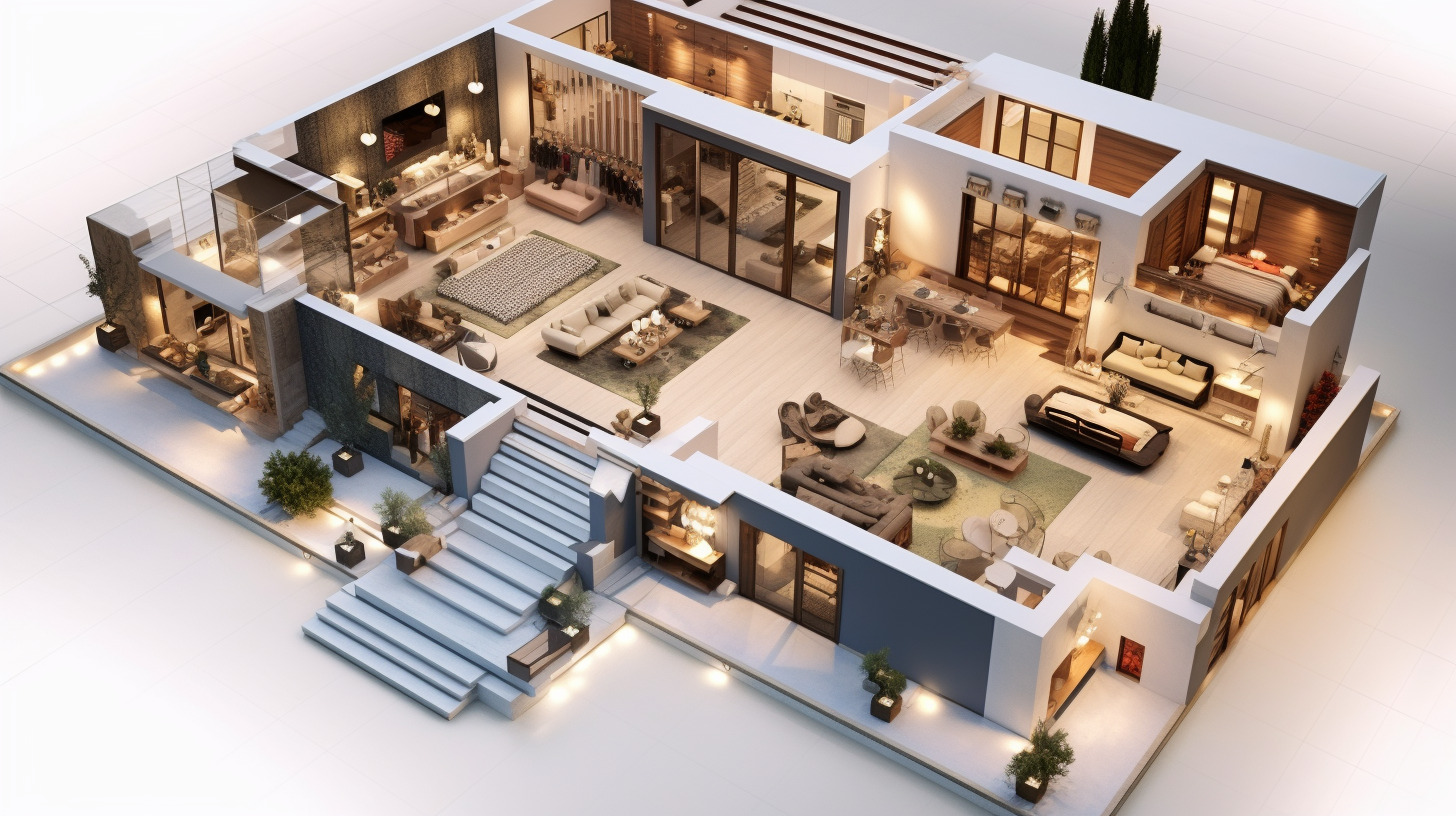
The layout of a home determines how spaces are organized and connected, impacting the flow and functionality of the space. A well-thought-out layout considers the needs and lifestyle of the residents, ensuring that each area serves its purpose efficiently. Open floor plans, versatile spaces, and efficient circulation are key aspects to consider in the layout of a home.
Materials
The choice of materials in home architecture design can greatly influence the durability, aesthetics, and sustainability of a home. From structural materials like concrete and steel to finishing materials like wood and stone, each material contributes to the overall look and feel of the space.
Sustainable materials, such as reclaimed wood, recycled glass, and bamboo, are increasingly being used to create eco-friendly and energy-efficient homes.
Colors
Colors play a crucial role in home architecture design, affecting the mood, perception, and visual appeal of a space. The careful selection of color palettes can enhance the architectural features, create visual interest, and reflect the personal style of the residents.
From warm and inviting neutrals to bold and vibrant hues, the use of colors can transform a home into a unique and personalized sanctuary.
Popular Home Architecture Styles
When it comes to residential buildings, there are several popular home architecture styles that are commonly used. Each style has its own unique characteristics in terms of aesthetics and functionality, catering to different preferences and needs of homeowners. Let's explore some of the most prominent architectural styles in the realm of home design.
Modern Architecture
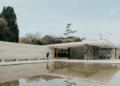
Modern architecture is characterized by clean lines, minimal ornamentation, and a focus on functionality. It often incorporates open floor plans, large windows for natural light, and a connection to the outdoors. Famous architects known for their contributions to modern architecture include Frank Lloyd Wright, Le Corbusier, and Ludwig Mies van der Rohe.
Traditional Architecture
Traditional architecture, on the other hand, draws inspiration from historical styles and cultural influences. It often features pitched roofs, symmetrical facades, and intricate detailing. Examples of traditional architectural styles include Colonial, Victorian, and Craftsman. Architects like Robert Adam, Andrea Palladio, and Charles Bulfinch have made significant contributions to traditional architecture.
Minimalist Architecture
Minimalist architecture focuses on simplicity, with an emphasis on clean lines, monochromatic color schemes, and a sense of openness. It aims to create a sense of calm and reduce visual clutter. Architects such as John Pawson, Tadao Ando, and Richard Meier are known for their minimalist approach to design.
Contemporary Architecture
Contemporary architecture is constantly evolving and reflects current trends and technologies
Craftsman Architecture
Craftsman architecture emphasizes craftsmanship, natural materials, and attention to detail. It often features exposed beams, built-in furniture, and handcrafted elements. Architects like Greene and Greene, Gustav Stickley, and Bernard Maybeck have played a significant role in popularizing the Craftsman style.
Technology and Innovation in Home Architecture Design
Technology plays a crucial role in shaping modern home architecture design, revolutionizing the way architects approach and execute their projects. From innovative materials to cutting-edge visualization tools, the integration of technology has opened up a world of possibilities in the field of architecture.
Smart Glass
Smart glass, also known as switchable glass, is a revolutionary material that can change its transparency at the touch of a button. This technology allows homeowners to control the amount of light and heat entering their space, providing both energy efficiency and privacy.
Green Roofs
Green roofs have gained popularity in recent years as a sustainable building solution. By incorporating vegetation on the roof of a home, architects can improve insulation, reduce stormwater runoff, and create a more environmentally-friendly living space.
3D Printing
D printing has transformed the way architects prototype and construct buildings. This innovative technology allows for the rapid production of complex architectural elements, reducing waste and enabling greater design freedom.
Virtual Reality and Augmented Reality
Virtual reality (VR) and augmented reality (AR) have revolutionized the way architects and clients visualize and plan home designs. By creating immersive digital environments, architects can provide clients with a realistic sense of scale and spatial layout, enhancing the design process and increasing client satisfaction.
Interior and Exterior Integration
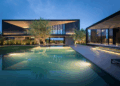
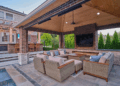
Seamless integration between interior and exterior spaces is crucial in home architecture design as it creates a harmonious flow and connection between the indoors and outdoors. This not only enhances the overall aesthetics of the home but also improves functionality and livability.
Design Techniques
There are several design techniques that can blur the boundaries between indoor and outdoor living areas:
- Open floor plans that extend living spaces to outdoor patios or decks, creating a cohesive environment.
- Large sliding glass doors that can be fully opened to merge indoor and outdoor spaces, allowing for natural light and ventilation.
- Use of similar materials and color palettes inside and outside the home to create a sense of continuity.
Architectural Elements Contribution
Architectural elements such as windows, doors, and landscaping play a significant role in integrating interior and exterior spaces:
- Strategically placed windows that frame outdoor views and bring nature inside, blurring the line between indoors and outdoors.
- Doors that open up to outdoor living areas seamlessly, creating a smooth transition between the two spaces.
- Well-designed landscaping that extends the interior design aesthetic to the outdoor areas, enhancing the overall unity of the home.
Budgeting and Cost Considerations in Home Architecture Design
When it comes to home architecture design, budgeting and cost considerations play a crucial role in determining the outcome of a project. Understanding the factors that influence costs and how to effectively manage your budget while maintaining design quality is essential for a successful architectural project.
Factors Influencing Cost
- The Size of the Project: Larger homes typically require more materials and labor, leading to higher costs.
- Choice of Materials: High-end materials can significantly increase the overall cost of the project.
- Complexity of Design: Intricate designs or unique architectural features may require specialized labor and materials, driving up expenses.
- Location: Building in areas with high labor or material costs can impact the total budget of the project.
Tips for Effective Budgeting
- Set a Realistic Budget: Determine your budget early on and stick to it to avoid overspending.
- Prioritize Must-Have Features: Identify essential elements of the design and allocate your budget accordingly.
- Get Multiple Quotes: Compare quotes from different contractors and suppliers to ensure you are getting the best value for your money.
- Consider Long-Term Costs: Invest in durable materials and energy-efficient solutions to reduce maintenance and utility costs in the long run.
Balancing Cost-Effective Solutions and Innovation
Finding the right balance between cost-effective solutions and innovative design ideas is key to achieving a successful home architecture project. While cutting costs is important, it should not come at the expense of compromising the overall quality and uniqueness of the design.
By working closely with architects, designers, and contractors, you can explore creative solutions that meet your budget constraints while still delivering a visually appealing and functional space.
Final Thoughts
As we conclude this exploration of home architecture design, it becomes evident that the seamless integration of interior and exterior spaces is paramount. With a focus on sustainability, cost considerations, and the influence of technology, the future of architectural design is brighter than ever.
Commonly Asked Questions
How does home architecture design impact daily living experiences?
Well-designed architecture can enhance daily living by creating functional spaces that promote efficiency and beauty.
What are the key elements to consider in home architecture design?
Key elements include lighting, layout, materials, colors, natural elements like sunlight and ventilation, and sustainability.
Which famous architects are known for their contributions to specific architectural styles?
Architects like Frank Lloyd Wright for modern architecture and Antoni Gaudí for his unique style in architecture.