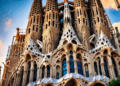
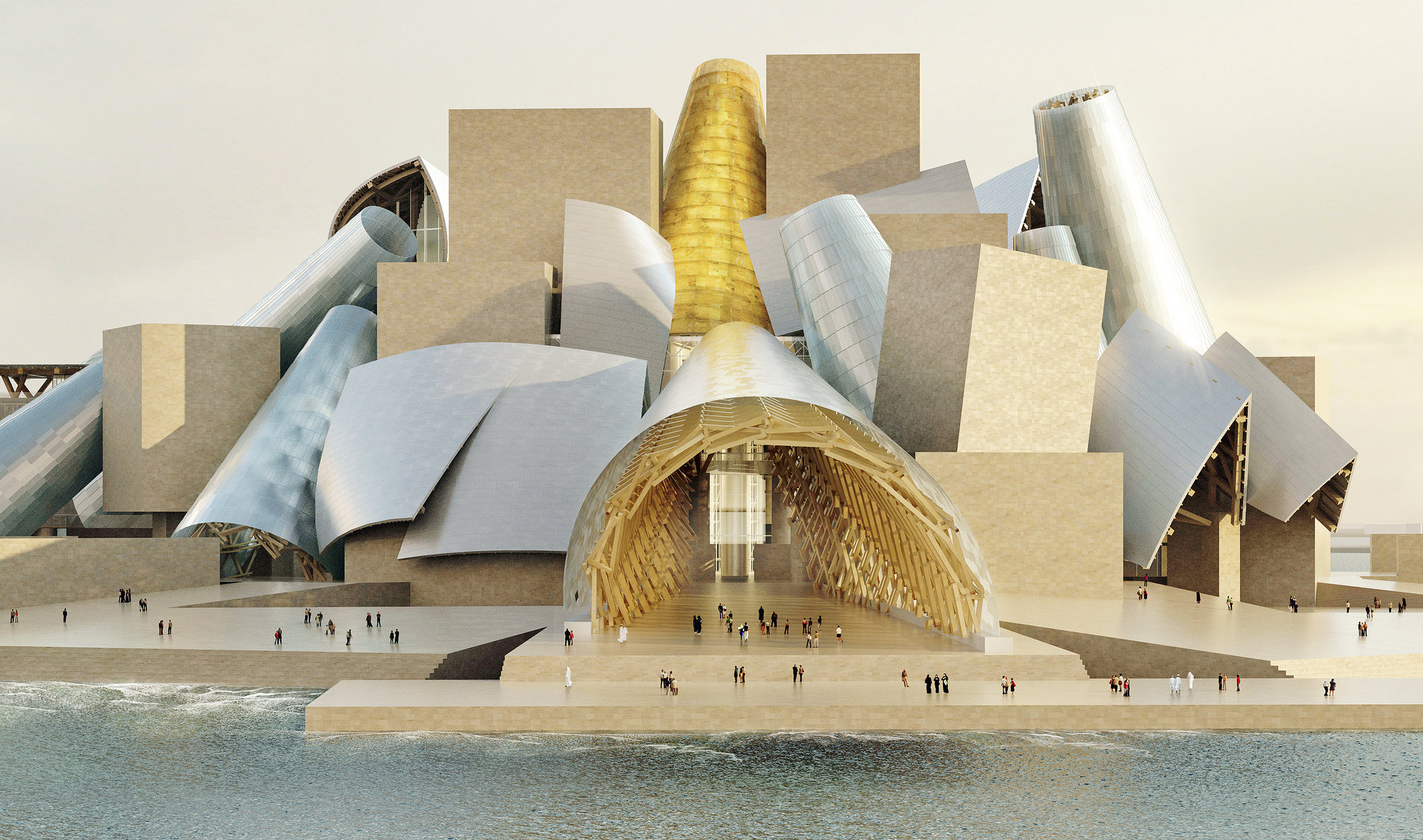
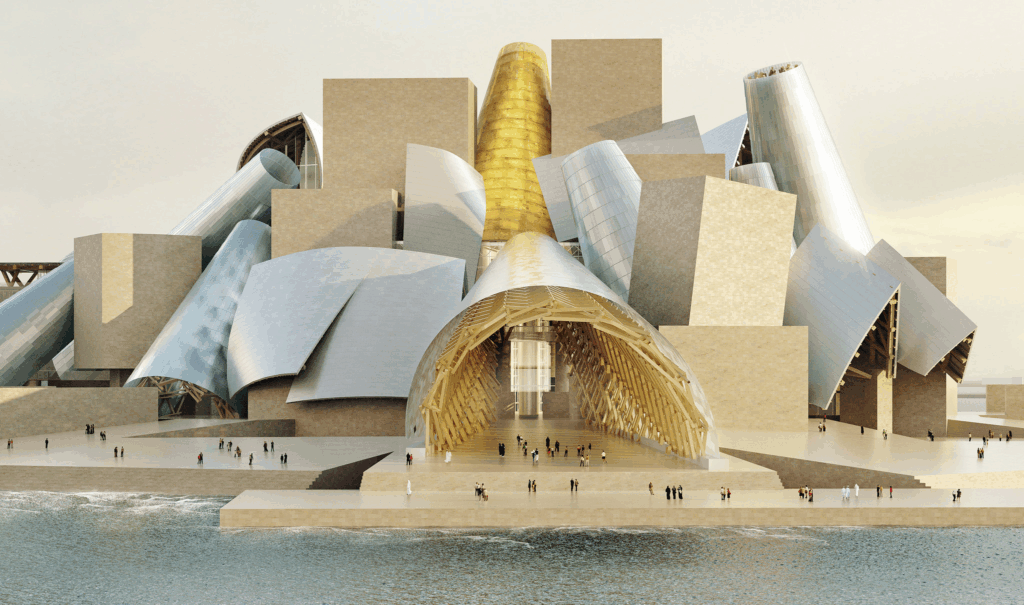
Gehry building sets the stage for this enthralling narrative, offering readers a glimpse into a story that is rich in detail and brimming with originality. From its unique architectural style to its impact on modern architecture, Gehry buildings stand out as iconic structures that push the boundaries of conventional design.
As we delve into the materials, construction techniques, iconic buildings, and sustainable design of Gehry's creations, a fascinating journey awaits to uncover the brilliance behind these architectural marvels.
Introduction to Gehry Building
Gehry buildings are characterized by their unique and innovative architectural style, often incorporating unconventional shapes and materials. Architect Frank Gehry is known for his distinctive designs that challenge traditional architectural norms.
These buildings hold significant importance in modern architecture for pushing boundaries and redefining what is possible in the field. Gehry's work has inspired a new wave of creativity and experimentation in the industry, influencing architects around the world.
Significance of Gehry Buildings
- Gehry buildings serve as landmarks in various cities, drawing attention and becoming iconic symbols of innovation and creativity.
- The structures showcase a blend of art and architecture, creating a harmonious relationship between form and function.
- Gehry buildings are often considered works of art themselves, attracting visitors and enthusiasts from all over the globe.
Distinctive Features of Gehry Buildings
- Use of unconventional materials such as titanium and stainless steel, creating a shimmering and dynamic appearance.
- Organic shapes and flowing lines that break away from the rigid geometry of traditional buildings.
- Integration of natural elements and surroundings, blurring the lines between the structure and its environment.
Materials and Construction Techniques
Frank Gehry is known for using a variety of unconventional materials in his buildings, pushing the boundaries of traditional construction methods.
Materials Commonly Used in Gehry Buildings
In Gehry buildings, materials such as titanium, stainless steel, glass, and concrete are commonly used. These materials allow for unique shapes and forms that define Gehry's signature style.
Innovative Construction Techniques
- Gehry is known for his use of computer-aided design software to create complex and organic shapes that would be difficult to achieve with traditional methods.
- He also employs a technique called "digital fabrication," where components are manufactured off-site and assembled on-site, reducing construction time and costs.
- Gehry often collaborates with engineers and fabricators to develop custom solutions for each project, allowing for greater flexibility in design and construction.
Challenges and Benefits of Unconventional Materials
Using unconventional materials in construction poses both challenges and benefits. While these materials can create visually stunning structures, they may require specialized expertise for installation and maintenance.
Iconic Gehry Buildings
Frank Gehry is known for his innovative and distinctive architectural designs that have left a mark on the architectural world. Let's explore some of the most famous Gehry buildings around the world and their unique features
Guggenheim Museum Bilbao, Spain
The Guggenheim Museum Bilbao, completed in 1997, is one of Gehry's most iconic buildings. Its unique titanium-clad design and undulating curves have made it a symbol of Bilbao's transformation into a cultural hub. The building's exterior reflects light in different ways throughout the day, creating a dynamic and mesmerizing effect.
Walt Disney Concert Hall, Los Angeles, USA
Completed in 2003, the Walt Disney Concert Hall in Los Angeles is renowned for its stainless steel exterior that gleams in the Californian sun. The building's complex curves and organic forms create a sense of movement and fluidity, making it a standout piece of architecture in the city.
Fondation Louis Vuitton, Paris, France
The Fondation Louis Vuitton in Paris, completed in 2014, is a stunning example of Gehry's architectural prowess. The building's glass sails and intricate steel framework give it a futuristic and ethereal appearance. It has become a cultural landmark in Paris, drawing visitors from around the world.
Sustainable Design
Frank Gehry's innovative approach to architecture extends to his commitment to sustainable design practices. By incorporating green building techniques into his designs, Gehry buildings not only stand out for their unique aesthetics but also for their environmental consciousness.
Integration of Green Building Practices
Frank Gehry integrates green building practices into his designs in various ways. One of the key aspects is the use of sustainable materials such as recycled steel and glass, as well as locally sourced materials to reduce carbon footprint. Additionally, Gehry incorporates energy-efficient systems like solar panels and natural ventilation to minimize energy consumption.
Environmental Impact
Compared to traditional structures, Gehry buildings have a lower environmental impact due to their sustainable design features. The use of recyclable materials, energy-efficient systems, and innovative construction techniques help reduce waste and energy consumption throughout the building's lifecycle. This results in lower carbon emissions and a more environmentally friendly footprint for Gehry buildings.
Wrap-Up
In conclusion, Gehry buildings not only shape skylines but also redefine the possibilities of architecture. With sustainability at their core and innovation at their helm, these structures continue to inspire and captivate audiences worldwide.
Detailed FAQs
What sets Gehry buildings apart from others?
Gehry buildings are known for their unconventional architectural style, blending sculptural forms with a sense of movement that defies traditional design norms.
Which Gehry building is considered the most iconic?
The Guggenheim Museum in Bilbao, Spain, is often regarded as one of the most iconic Gehry buildings, showcasing his innovative approach to architecture.
How does Gehry incorporate sustainability into his designs?
Gehry integrates green building practices such as energy-efficient systems and recycled materials to enhance the sustainability of his buildings.