Delving into classic architecture, this introduction immerses readers in a unique and compelling narrative. From the grandeur of ancient structures to the intricate details of renowned architects, classic architecture has left an indelible mark on the world of design.
Classic architecture is a testament to the craftsmanship and artistry of bygone eras, showcasing a harmonious blend of form and function that continues to inspire modern creations.
Introduction to Classic Architecture
Classic architecture refers to the architectural styles that draw inspiration from ancient Greek and Roman designs. Key characteristics include symmetrical facades, columns, arches, and decorative elements such as friezes and pediments. These elements are often used to create a sense of grandeur and timelessness in buildings.Classic architecture holds significant historical importance as it reflects the ideals and values of ancient civilizations.
Buildings constructed in classic styles often symbolize power, strength, and beauty, serving as lasting testaments to the cultural achievements of past societies.The influence of classic architecture on modern design trends can be seen in the continued use of classical elements in contemporary buildings.
Architects often incorporate columned porticos, domes, and other features inspired by classical architecture to evoke a sense of tradition and elegance in their designs. The enduring appeal of classic architectural styles highlights their timeless beauty and relevance in the modern world.
Architectural Elements of Classic Architecture
Classic architecture is characterized by a variety of distinct elements that have stood the test of time. These elements contribute to the grandeur and timelessness of classic buildings, showcasing the artistry and craftsmanship of the architects who designed them.
Common Features of Classic Architecture
Classic architecture often includes the following common features:
- Columns: Columns are a staple of classic architecture, with different orders like Doric, Ionic, and Corinthian adding unique styles to buildings.
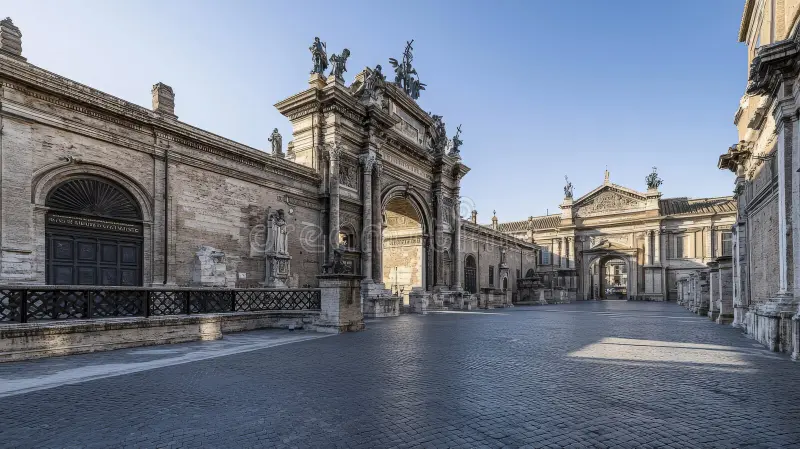
- Arches: Arches are used in classic architecture to create entrances, support structures, and add decorative elements to facades.
- Pediments: Pediments are triangular structures placed above columns or doors, adding a sense of grandeur and symmetry to buildings.
Symmetry and Proportion in Classic Architecture
Symmetry and proportion are key principles in classic architectural design, creating harmony and balance in the overall composition of buildings. Buildings are often designed with a central axis and mirrored elements on either side, emphasizing balance and order.
Use of Materials in Classic Architecture
Classic architecture utilizes a variety of materials to achieve its iconic look, including:
- Stone: Stone such as limestone or granite is commonly used for columns, facades, and intricate carvings.
- Marble: Marble is prized for its elegance and durability, often used for flooring, sculptures, and decorative elements.
- Wood: Wood is used for detailing, doors, windows, and interior features in classic architecture, adding warmth and richness to the design.
Famous Examples of Classic Architecture
Classic architecture has left a lasting legacy in the form of iconic buildings and structures that continue to inspire awe and admiration. Let's explore some famous examples that showcase the beauty and grandeur of this architectural style.
The Parthenon
The Parthenon, located atop the Acropolis in Athens, Greece, is a prime example of classical Greek architecture. Built in the 5th century BC, this temple dedicated to the goddess Athena features Doric columns, a pediment, and friezes that depict mythical stories.
The Colosseum
The Colosseum in Rome, Italy, is a symbol of Roman engineering and architectural prowess. Completed in 80 AD, this amphitheater could seat up to 80,000 spectators and hosted gladiatorial contests, animal hunts, and other public spectacles.
St. Paul’s Cathedral by Sir Christopher Wren
St. Paul's Cathedral in London, England, designed by renowned architect Sir Christopher Wren in the 17th century, is a masterpiece of English Baroque architecture. Its iconic dome and elegant facade make it one of the most recognizable landmarks in the city.
The Rotunda by Thomas Jefferson
The Rotunda at the University of Virginia, designed by Thomas Jefferson in the early 19th century, is a stunning example of neoclassical architecture in the United States. Inspired by ancient Roman and Greek architecture, the Rotunda serves as the centerpiece of the university campus.
Preservation and Restoration of Classic Architecture
Preserving historic buildings with classic architectural styles is crucial to maintaining our cultural heritage and understanding the evolution of architecture over time. These structures serve as a link to the past, telling stories of different eras and architectural techniques.
Techniques in Restoration of Classic Architecture
- Conservation: This involves carefully cleaning and repairing the original materials of the building to prevent further deterioration.
- Reconstruction: Rebuilding missing or damaged elements using traditional methods and materials to restore the building to its original state.
- Documentation: Thoroughly documenting the structure before, during, and after restoration to ensure authenticity and provide a reference for future maintenance.
- Research: Conducting historical research to understand the architectural style and techniques used in the original construction, guiding the restoration process.
Challenges in Preserving Classic Architectural Heritage
- Urban Development: Pressure to modernize urban areas often leads to the destruction or alteration of historic buildings to make space for new developments.
- Funding: Restoration projects can be costly, and securing adequate funding for the preservation of classic architecture can be a challenge.
- Environmental Factors: Exposure to pollution, weathering, and natural disasters can cause damage to historic buildings, requiring ongoing maintenance and restoration efforts.
- Legal and Regulatory Issues: Navigating complex regulations and obtaining necessary permits for restoration work can be time-consuming and challenging.
Final Summary
In conclusion, classic architecture stands as a timeless testament to human ingenuity and creativity. Its influence can be seen in the majestic structures of the past and the innovative designs of the present. As we continue to appreciate and preserve these architectural marvels, we ensure that the legacy of classic architecture lives on for generations to come.
Common Queries
What defines classic architecture?
Classic architecture is characterized by its emphasis on symmetry, proportion, and the use of architectural elements like columns, arches, and pediments.
Which materials are commonly used in classic architecture?
Materials such as stone, marble, and wood are frequently used in classic architecture for their durability and aesthetic appeal.
Can classic architecture be found in different parts of the world?
Absolutely, classic architecture has been adapted and influenced various regions globally, showcasing unique interpretations and styles.