
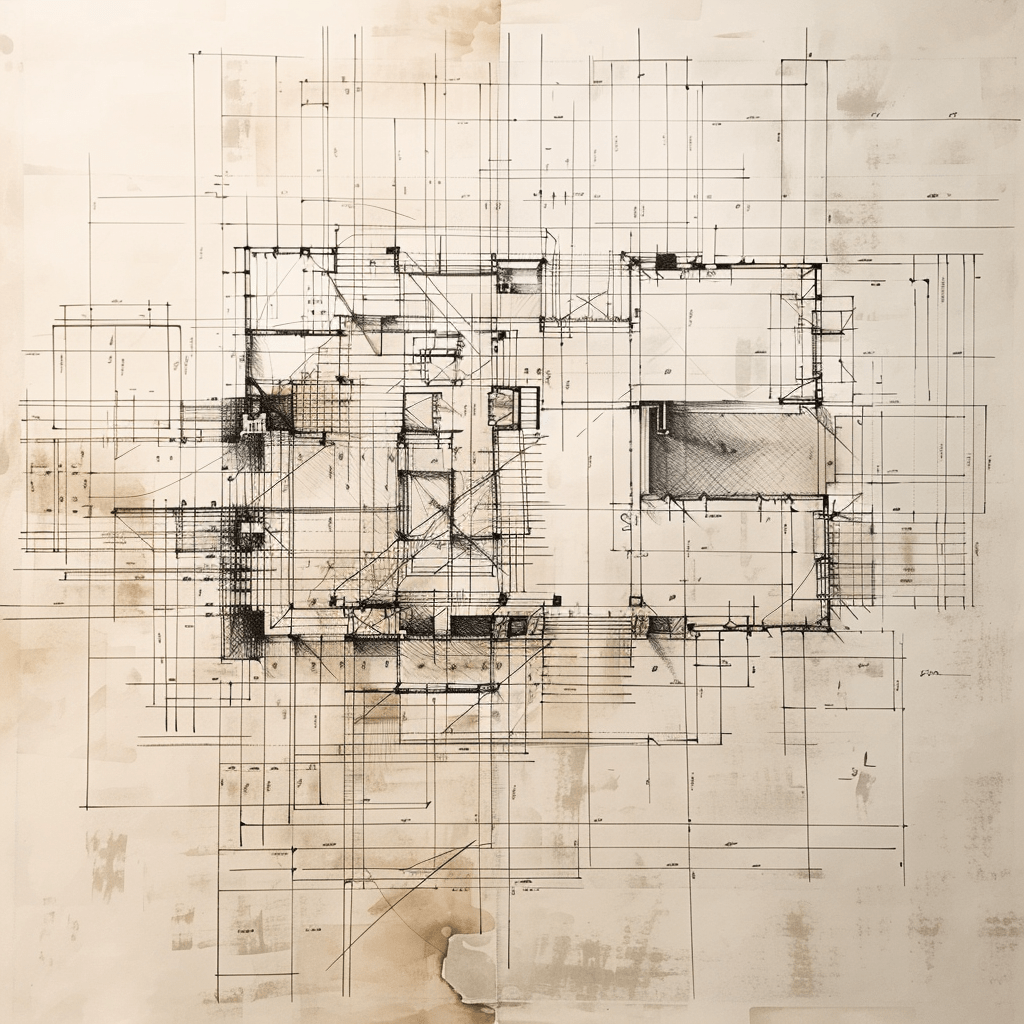
Embark on a fascinating journey into the realm of architectural plans, where the blueprint of innovative structures comes to life. This introduction sets the stage for an exploration of the intricate details and essential components that shape the foundation of architectural design.
From defining the significance of architectural plans to unraveling the process of creating and interpreting them, this guide offers a deep dive into the art and science of architectural planning.
Introduction to Architectural Plans
Architectural plans are detailed drawings and documents that Artikel the design and layout of a building or structure. These plans serve as a visual representation of the proposed construction project and provide a roadmap for contractors, builders, and other stakeholders involved in the building process.
Importance of Architectural Plans
Architectural plans play a crucial role in the building design process by communicating the architect's vision to all parties involved. They serve as a guide for construction, ensuring that the building is constructed according to the intended design. Additionally, architectural plans help to obtain necessary permits and approvals from local authorities by demonstrating compliance with building codes and regulations.
- Site Plan: Shows the layout of the building on the site, including setbacks, landscaping, and access points.
- Floor Plan: Illustrates the layout of each floor, including room dimensions, walls, doors, and windows.
- Elevations: Provide a view of the building's exterior from different angles, showing details such as materials, finishes, and architectural features.
- Sections: Cut-through views that reveal the internal structure of the building, including walls, floors, and ceilings.
- Details: Specify construction elements such as materials, connections, and finishes to ensure proper execution of the design.
Types of Architectural Plans
Floor plans, elevation plans, site plans, and other types of architectural plans play crucial roles in the design and construction of buildings. Each type serves a specific purpose and contributes to the overall success of a project.
Floor Plans
Floor plans are two-dimensional drawings that showcase the layout of a building from a top-down perspective. They illustrate the relationship between rooms, spaces, and structural elements within a building. Floor plans are essential for understanding the flow and functionality of a space, as well as for determining the overall dimensions and scale of a building.
Elevation Plans
Elevation plans provide a vertical view of a building's exterior, showing the height, shape, and design details of the structure. These drawings help architects and builders visualize how the building will look from different angles and perspectives. Elevation plans are crucial for ensuring that the architectural design meets aesthetic and structural requirements.
Site Plans
Site plans depict the layout of a building on its plot of land, including the placement of the structure, landscaping elements, parking areas, and other site features. These plans help designers understand how the building interacts with its surroundings and how it fits into the site's topography and orientation.
Site plans are essential for ensuring that the building is integrated harmoniously into its environment.
Complementary Relationship of Architectural Plans
Different types of architectural plans work together to create a cohesive design that meets the functional, aesthetic, and structural requirements of a project. For example, floor plans inform elevation plans by indicating the placement of windows, doors, and other architectural features that are reflected in the elevations.
Site plans, on the other hand, provide context for both floor plans and elevation plans by showing how the building relates to its surroundings and landscape. By coordinating and integrating these various types of plans, architects can develop comprehensive designs that address all aspects of a building project.
Creating Architectural Plans
Creating architectural plans involves a series of steps from the initial concept to the final draft. Architects utilize software tools to draft and design these plans, ensuring accuracy through scale, measurements, and attention to detail.
Steps in Creating Architectural Plans
- Concept Development: Architects begin by brainstorming ideas and conceptualizing the design based on client requirements and site conditions.
- Schematic Design: This phase involves creating rough sketches and diagrams to Artikel the basic layout and spatial relationships.
- Design Development: Architects refine the initial concept, adding more detail and incorporating structural elements and building systems.
- Construction Documents: Detailed drawings and specifications are prepared to communicate the design intent to contractors and builders.
- Permitting and Approvals: Architects work with regulatory authorities to obtain necessary permits and approvals for construction.
- Construction Administration: During the construction phase, architects may provide on-site supervision and resolve any design-related issues.
Software Tools for Architectural Drafting
- AutoCAD: A popular software used for 2D and 3D drafting, allowing architects to create precise drawings and models.
- Revit: Enables architects to design buildings in 3D, incorporating data-rich elements for better collaboration and coordination.
- SketchUp: Ideal for creating conceptual models and presentations, offering a user-friendly interface for quick design iterations.
- Adobe Photoshop: Used for enhancing renderings and visualizations, adding textures, colors, and effects to architectural drawings.
Role of Scale, Measurements, and Details
Scale, measurements, and details play a crucial role in accurately representing a building in architectural plans. Architects use precise measurements and scaling to ensure that the proportions and dimensions of the building are accurately depicted. Details such as materials, finishes, and construction techniques are included to provide a comprehensive understanding of the design intent.
The use of scale helps in visualizing the spatial relationships within the building and how different elements come together to create a cohesive design.
Reading and Interpreting Architectural Plans
Understanding architectural plans is essential for anyone involved in construction or design projects. Whether you are a homeowner, contractor, or interior designer, being able to read and interpret architectural plans is crucial for the successful completion of any project.Architectural plans are detailed drawings that provide a visual representation of a building or structure.
These plans typically include floor plans, elevations, sections, and details that Artikel the design and construction of the project. To effectively read and interpret architectural plans, it is important to understand the symbols, scales, and annotations used in these drawings.
Understanding Symbols, Scales, and Annotations
When looking at architectural plans, you will encounter various symbols that represent different elements such as doors, windows, walls, and fixtures. It is important to familiarize yourself with these symbols to accurately interpret the design intent of the architect.Additionally, scales are used to represent the actual dimensions of the building on paper.
Common scales include 1/4" = 1'-0" or 1:50, indicating that every quarter inch on the plan represents one foot of the actual building. Understanding the scale allows you to accurately measure dimensions and ensure that the design will fit within the intended space.Annotations on architectural plans provide important information such as dimensions, materials, and construction details.
Paying attention to these annotations is crucial for understanding the specifications of the project and ensuring that it is built according to the architect's vision.
Common Challenges and Misconceptions
One common challenge when interpreting architectural plans is overlooking the scale or misinterpreting dimensions, which can lead to costly errors during construction. Another misconception is assuming that all symbols and annotations are universal, when in fact, they can vary between architects and projects.
Effective Communication with Architects
To effectively communicate and collaborate with architects using architectural plans, it is important to ask clarifying questions when in doubt and seek clarification on any symbols or annotations that are unclear. Providing feedback and discussing any discrepancies early on can help avoid misunderstandings and ensure that the project progresses smoothly.
Closing Notes
As we conclude our exploration of architectural plans, we reflect on the integral role they play in shaping our built environment. With a newfound understanding of the complexities involved, one can truly appreciate the craftsmanship and vision that goes into every architectural plan.
FAQ Summary
How are architectural plans different from structural plans?
Architectural plans focus on the aesthetics and layout of a building, while structural plans deal with the technical aspects of ensuring the building's stability and safety.
What software tools are commonly used for creating architectural plans?
Popular software tools used by architects for drafting and designing architectural plans include AutoCAD, Revit, and SketchUp.
Why is scale important in architectural plans?
Scale allows architects to accurately represent the size and proportions of elements within a building, ensuring that the design is feasible and visually cohesive.
How can one improve their ability to read architectural plans?
Improving the understanding of symbols, scales, and annotations through practice and seeking clarification from architects can enhance one's ability to interpret architectural plans effectively.