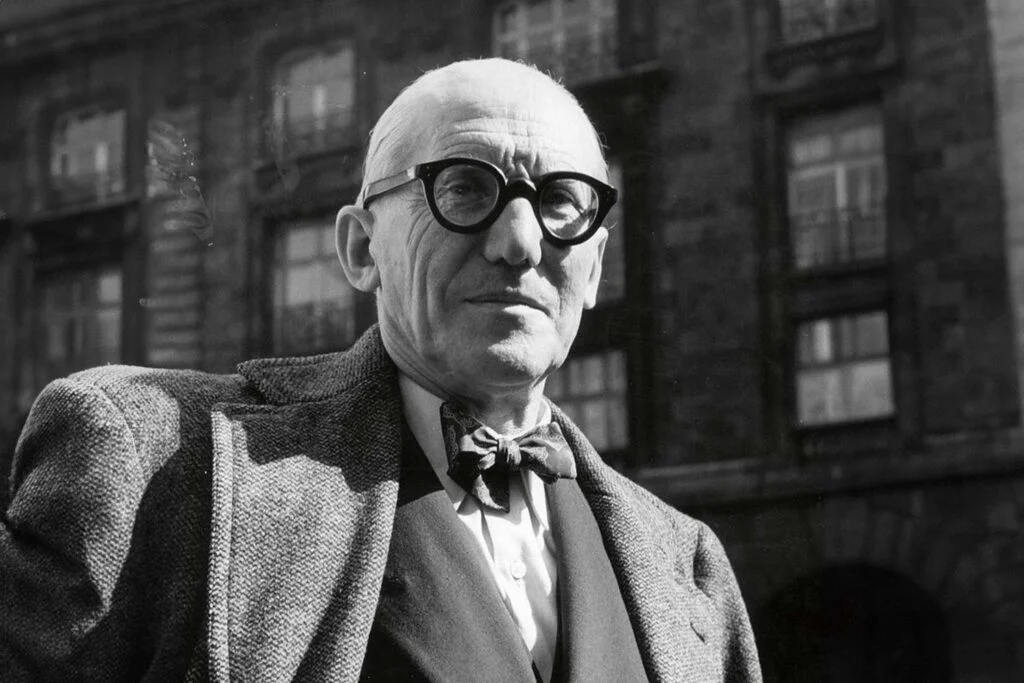
Delving into the world of architecture, Le Corbusier stands as a towering figure whose innovative designs continue to influence the field to this day. Let's unravel the life, work, and lasting impact of this visionary architect.
Introduction to Le Corbusier
Le Corbusier, born Charles-Édouard Jeanneret-Gris, was a Swiss-French architect, designer, urban planner, and writer who is widely regarded as one of the pioneers of modern architecture. His innovative ideas and designs have had a profound impact on the architectural landscape of the 20th century.Le Corbusier's architectural style can be characterized by the use of geometric forms, open floor plans, and the incorporation of new materials such as reinforced concrete.
He believed in the concept of "machines for living," where buildings should serve the functional needs of their occupants efficiently and aesthetically.Throughout his career, Le Corbusier developed key design principles known as the "Five Points of Architecture," which included pilotis (supports), roof gardens, open floor plans, horizontal windows, and free façade design.
These principles aimed to maximize light, air, and space within his buildings while maintaining a sense of harmony and balance.Born in 1887 in Switzerland, Le Corbusier moved to Paris in the early 20th century, where he established himself as a prominent figure in the architectural world.
He was not only an architect but also a prolific writer and urban planner, contributing significantly to the discourse on modern urban design and planning.
Key Design Principles
- Use of geometric forms and open floor plans
- Incorporation of new materials like reinforced concrete
- Concept of "machines for living" emphasizing functionality
- Five Points of Architecture: pilotis, roof gardens, open floor plans, horizontal windows, free façade design
Background and Career
- Born in Switzerland in 1887
- Moved to Paris where he gained prominence in the architectural world
- Pioneered modern urban design and planning
- Known for his innovative ideas and designs that continue to influence architecture today
Architectural Works of Le Corbusier
Le Corbusier, a pioneer of modern architecture, left a lasting legacy with his iconic projects that revolutionized the field. His innovative designs, use of materials, and unique techniques continue to influence architects worldwide.
Iconic Architectural Projects
- Villa Savoye: Completed in 1931, this modernist villa in France is a quintessential example of Le Corbusier's five points of architecture, featuring an open floor plan, pilotis (support columns), and a flat roof terrace.
- Unité d'Habitation: Built between 1947 and 1952 in Marseille, France, this residential housing complex showcases Le Corbusier's concept of "vertical garden city" with its modular design and communal living spaces.
- Chandigarh Capitol Complex: Designed in the 1950s, this government complex in India reflects Le Corbusier's urban planning principles, integrating green spaces, water features, and monumental structures.
Influence on Modern Architecture
Le Corbusier's work has had a profound impact on modern architecture, shaping the way buildings are designed and constructed. His emphasis on functionality, efficiency, and minimalism has inspired generations of architects to prioritize clean lines, open spaces, and innovative use of materials.
Use of Materials and Innovative Techniques
Le Corbusier was known for experimenting with materials like reinforced concrete, steel, and glass to create structures that were both aesthetically pleasing and structurally sound. His innovative techniques, such as the pilotis system and free facade design, challenged traditional architectural norms and pushed the boundaries of what was possible in building construction.
Le Corbusier’s Urban Planning Concepts
Le Corbusier, a pioneering architect and urban planner, introduced innovative ideas that revolutionized the field of urban planning. His concepts aimed to create efficient, functional, and aesthetically pleasing cities that catered to the needs of residents.
Radiant City Concept
The Radiant City was a visionary concept proposed by Le Corbusier, emphasizing the separation of functions within a city to enhance efficiency and quality of life. This idea involved distinct zones for living, working, and recreation, interconnected by efficient transportation systems.
The Radiant City aimed to create a harmonious balance between nature and urban development, promoting a healthier and more organized urban environment.
Zoning and Functionalism Principles
Le Corbusier advocated for strict zoning regulations to ensure optimal land use and efficient city planning. He believed in separating industrial, residential, and commercial areas to minimize conflicts and improve the quality of living
This approach aimed to enhance the functionality and usability of urban areas, promoting a more rational and organized city layout.
Furniture and Interior Design by Le Corbusier
Le Corbusier's influence extended beyond architecture into the realm of furniture and interior design. His innovative approach to design and aesthetics revolutionized the way people thought about living spaces.Le Corbusier believed that furniture should be functional, comfortable, and visually appealing.
He designed pieces that were not only practical but also reflected his modernist principles. One of his most iconic furniture designs is the LC2 chair, which features a sleek, geometric silhouette and luxurious leather upholstery. This chair exemplifies Le Corbusier's minimalist style and emphasis on clean lines and geometric forms.The relationship between Le Corbusier's architectural style and interior design aesthetics is evident in the seamless integration of his furniture pieces into his buildings.
The LC2 chair, for example, complements the modernist architecture of his buildings, creating a cohesive and harmonious living environment. Le Corbusier's furniture designs were not merely decorative elements but integral components of his overall design vision.
Significance of the LC2 Chair
The LC2 chair, designed by Le Corbusier in collaboration with Charlotte Perriand and Pierre Jeanneret, is a timeless piece of furniture that has become an icon of modern design. Its tubular steel frame, plush cushions, and elegant proportions make it a classic example of the modernist aesthetic.
The LC2 chair embodies Le Corbusier's principles of form following function and showcases his innovative use of materials and construction techniques.
Integration of Furniture into Architecture
Le Corbusier's approach to furniture design was closely linked to his architectural philosophy. He viewed furniture as an essential component of the living environment and believed that it should be in harmony with the overall design of a space. By designing furniture pieces that complemented his architectural style, Le Corbusier created cohesive and unified interiors that reflected his modernist vision.
Legacy in Interior Design
Le Corbusier's contributions to furniture and interior design have had a lasting impact on the field. His innovative designs continue to inspire designers and architects around the world, and his emphasis on functionality, simplicity, and aesthetic appeal remains influential in contemporary design.
Le Corbusier's legacy in interior design is characterized by his pioneering spirit and commitment to creating spaces that are both beautiful and functional.
Wrap-Up
In conclusion, Le Corbusier's groundbreaking concepts in architecture, urban planning, and interior design have left an indelible mark on the world. His legacy serves as an enduring source of inspiration for generations to come.
FAQ Section
What was Le Corbusier's architectural style known for?
Le Corbusier's architectural style was characterized by geometric forms, open floor plans, and the use of pilotis.
Which iconic furniture piece is associated with Le Corbusier?
The LC2 chair is one of Le Corbusier's most iconic furniture designs, known for its sleek and modern aesthetic.
What was the concept of the Radiant City proposed by Le Corbusier?
The Radiant City was a theoretical urban plan by Le Corbusier that emphasized the separation of functions and the use of high-rise buildings to create a more efficient and organized urban environment.