Embark on a journey through the fascinating world of pavilion architecture, where innovation meets tradition and form meets function. This introduction sets the stage for an exploration of pavilions that goes beyond the surface, delving into the essence of these unique structures.
As we uncover the key features, materials, cultural significance, and more, you'll gain a deeper appreciation for the artistry and purpose behind pavilion architecture.
Overview of Pavilion Architecture
Pavilion architecture is a unique and distinct form of architectural design that focuses on creating temporary or semi-permanent structures for various purposes, such as exhibitions, events, or relaxation areas. These structures are often characterized by their open sides, lightweight materials, and innovative designs that challenge traditional architectural norms.Pavilions have a long history dating back to ancient times, where they were used as temporary shelters or gathering spaces.
In architectural design, pavilions have played a significant role in experimenting with new materials, construction techniques, and spatial arrangements. They have often served as a canvas for architects to showcase their creativity and push the boundaries of design.
Historical Significance of Pavilions
Pavilions have been an integral part of architectural history, with examples found in various cultures and time periods. From the ornate pavilions of the Chinese emperors to the sleek modern pavilions of the 21st century, these structures have evolved to reflect changing architectural trends and societal needs.
- One of the most famous examples of pavilion architecture is the Crystal Palace in London, built for the Great Exhibition of 1851. Designed by Joseph Paxton, this pioneering structure showcased the use of glass and iron in construction, setting a new standard for architectural innovation.
- The Serpentine Gallery Pavilion in London is another notable example of contemporary pavilion design. Each year, a different architect is invited to create a temporary pavilion in Kensington Gardens, resulting in a diverse range of architectural expressions.
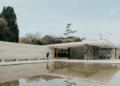
- In Barcelona, the Pavilion of the Mies van der Rohe Foundation pays homage to the iconic German Pavilion designed by Ludwig Mies van der Rohe for the 1929 Barcelona International Exposition. This minimalist structure is renowned for its use of open space and sleek lines.
Characteristics of Pavilion Architecture
Pavilion architecture is characterized by several key features that set it apart from other architectural structures. Pavilions are known for their open design, temporary nature, and unique purpose within a larger space. Let's explore these defining characteristics in more detail.
Open Design
Pavilions typically have an open design, with minimal walls or barriers separating the interior space from the surrounding environment. This creates a sense of connection to the outdoors and allows for natural light and ventilation to flow freely throughout the structure.
Temporary Nature
Unlike permanent buildings, pavilions are often designed to be temporary structures that can be easily assembled, disassembled, and relocated as needed. This flexibility allows pavilions to adapt to different settings and purposes, making them ideal for events, exhibitions, or outdoor gatherings.
Unique Purpose
Pavilions serve a specific and often unique purpose within a larger context, whether it's providing shelter, hosting events, or showcasing art and culture. Their distinctiveness and focus on a particular function set them apart from other architectural forms that may have more general or multifunctional uses.
Flexibility and Versatility
One of the most notable features of pavilion architecture is its flexibility and versatility in design. Pavilions can range from simple, minimalist structures to elaborate, sculptural forms, depending on the intended purpose and aesthetic vision. This adaptability allows architects and designers to explore innovative ideas and experiment with different materials and construction techniques.
Materials and Construction Techniques
In pavilion architecture, a variety of materials are used to create unique structures that blend seamlessly with their surroundings. These materials not only influence the aesthetics of the pavilions but also play a crucial role in determining their functionality.
Common Materials Used in Pavilion Architecture
- Wood: Known for its natural beauty and versatility, wood is a popular choice for pavilion construction. It can create a warm and inviting atmosphere while providing structural strength.
- Steel: Steel is often used in modern pavilion designs for its strength and durability. It allows for large, open spaces and can be shaped into intricate forms.
- Glass: Glass is used to create transparent pavilions that blend in with the surrounding landscape, allowing for unobstructed views and a sense of connection to the outdoors.
- Concrete: Concrete is a versatile material that can be molded into various shapes and sizes. It is often used in contemporary pavilion designs for its durability and minimalistic aesthetic.
How Different Materials Influence Aesthetics and Functionality
The choice of materials in pavilion architecture greatly impacts both the visual appeal and functionality of the structure. For example, the use of glass can create a light and airy pavilion that feels open and spacious, while steel can provide a more industrial and modern look with its sleek lines and structural integrity.
Innovative Construction Techniques
Architects and designers often employ innovative construction techniques in pavilion architecture to push the boundaries of traditional design. These techniques can include:
- Tensile Structures: Tensile structures use tension to support the roof, creating a lightweight and visually striking design that can span large distances.
- Modular Construction: Modular construction involves prefabricating components off-site and assembling them on-site, allowing for faster construction and reduced waste.
- Green Roof Systems: Some pavilions incorporate green roof systems, which involve planting vegetation on the roof to improve insulation, reduce stormwater runoff, and create a more sustainable building.
Functionality and Purpose
Pavilions are versatile structures that serve a variety of functions in different contexts. From providing shelter and gathering spaces to housing exhibitions or events, pavilions are designed with specific purposes in mind.
Various Functions of Pavilions
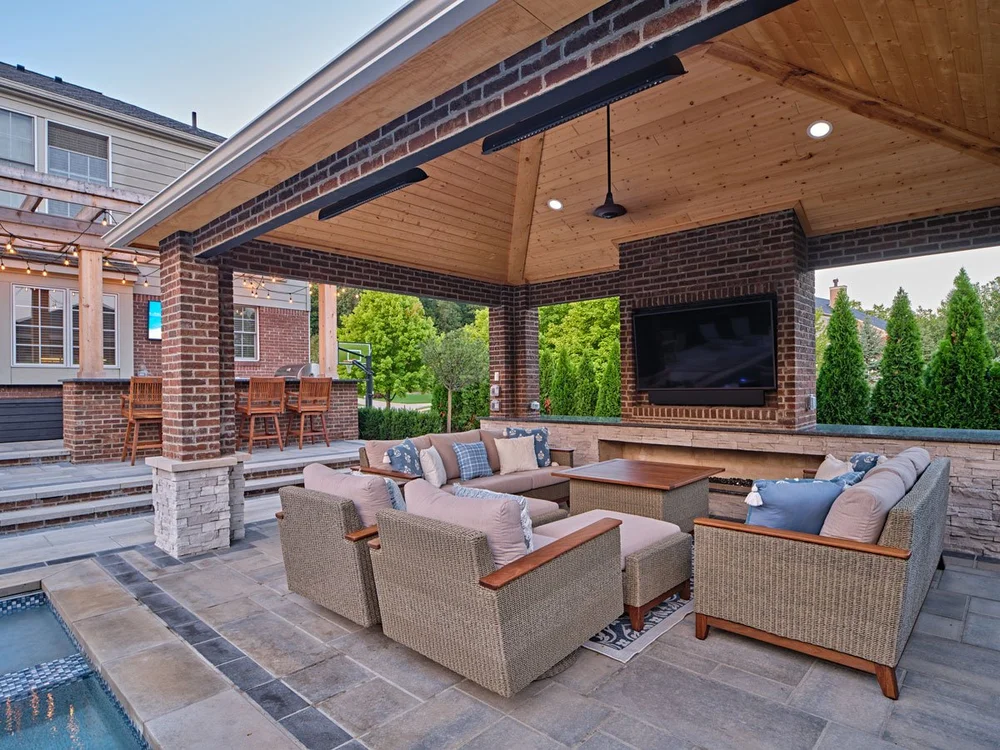
Pavilions can function as temporary shelters for outdoor events such as weddings, concerts, or festivals. They can also serve as information centers, exhibition spaces, or gathering spots in parks or public areas. Additionally, pavilions are often used as architectural focal points in gardens or landscapes, adding aesthetic value to the surroundings.
- Temporary shelters for events
- Information centers or exhibition spaces
- Gathering spots in parks or public areas
- Architectural focal points in gardens or landscapes
Design Catering to Specific Purposes
The design of a pavilion is closely aligned with its intended purpose. For example, a pavilion used for outdoor events may feature open sides for ventilation and a spacious interior for accommodating a large number of people. On the other hand, a pavilion serving as an exhibition space may have more enclosed areas for displaying artwork or artifacts.
Architectural elements such as roof shapes, materials, and spatial layout are carefully selected to enhance the functionality of the pavilion and ensure it meets the specific requirements of its purpose.
Relationship between Purpose and Architectural Elements
The purpose of a pavilion directly influences its architectural elements. For instance, a pavilion designed for relaxation and contemplation may incorporate elements like comfortable seating, natural lighting, and serene surroundings. In contrast, a pavilion meant for hosting events may prioritize features such as flexible seating arrangements, acoustics, and lighting systems.
Cultural Significance
Pavilion architecture plays a significant role in reflecting cultural values and traditions, serving as a representation of a community's identity and history. These structures often showcase unique design elements, materials, and construction techniques that are specific to the culture they represent.
Examples of Cultural Heritage Pavilions
- The Japanese Tea House in traditional Japanese gardens symbolizes harmony, respect, and tranquility.
- The Moroccan Pavilion at the Epcot theme park in Florida showcases intricate tile work, arches, and geometric patterns typical of Moroccan architecture.
- The Indian Pavilion at international expos often features colorful textiles, intricate carvings, and traditional motifs representing India's rich cultural heritage.
Role of Pavilions in Cultural Events
Pavilions are often used to host cultural events, ceremonies, and celebrations, providing a space for communities to come together and showcase their traditions. These events can include music festivals, art exhibitions, traditional performances, and religious ceremonies. Pavilions serve as a focal point for cultural exchange and appreciation, fostering a sense of unity and pride among community members.
Conclusion
In conclusion, pavilion architecture stands as a testament to human creativity and ingenuity, blending history with modern design principles. From their cultural significance to their functional versatility, pavilions continue to captivate and inspire architects and enthusiasts alike.
FAQ Compilation
What makes pavilion architecture unique?
Pavilion architecture is distinct for its temporary nature, open-sided design, and focus on creating a space for contemplation and relaxation.
How do materials influence pavilion aesthetics?
The choice of materials like glass, steel, or wood can dramatically impact the visual appeal and overall feel of a pavilion structure.
Are pavilions only used for events?
No, pavilions serve various functions including as exhibition spaces, outdoor shelters, or standalone architectural marvels.