Ludwig Mies van der Rohe, a pioneer in modern architecture, revolutionized the industry with his innovative designs and minimalist approach. Dive into the world of this visionary architect as we unravel his life, works, and enduring influence.
From his humble beginnings to his groundbreaking contributions, Mies van der Rohe's story is a captivating journey through the evolution of contemporary architecture.
Background of Ludwig Mies van der Rohe
Ludwig Mies van der Rohe, born on March 27, 1886, in Aachen, Germany, was a pioneering architect known for his modernist approach and minimalist designs. Mies van der Rohe started his career as an apprentice to several architects before working with Peter Behrens, a leading figure in the German architectural scene at the time.
This experience shaped Mies van der Rohe's design philosophy and laid the foundation for his future work.
Early Life and Education
- Mies van der Rohe's early life was marked by his interest in architecture, leading him to study at the School of Construction in Aachen.
- He later moved to Berlin, where he worked under Peter Behrens and was exposed to the emerging modernist movement.
- Mies van der Rohe's education and early experiences greatly influenced his architectural style, emphasizing structural clarity and the innovative use of materials.
Architectural Influences and Style
- Mies van der Rohe was influenced by the modernist principles of the Bauhaus movement, which focused on functionality, simplicity, and the use of industrial materials.
- His style was characterized by open spaces, clean lines, and a sense of transparency, creating a harmonious relationship between the building and its surroundings.
- Mies van der Rohe's "less is more" approach to design became synonymous with modern architecture, influencing generations of architects around the world.
Significant Contributions to Modern Architecture
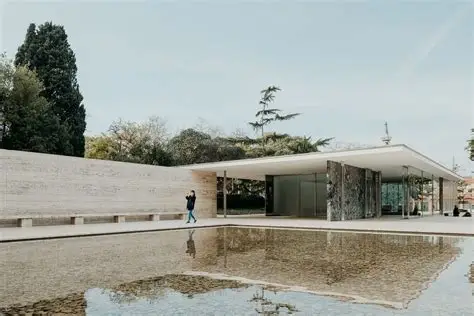
- One of Mies van der Rohe's most iconic works is the Barcelona Pavilion, a masterpiece of modernist design that showcases his use of glass, steel, and marble.
- His design for the Farnsworth House in Illinois exemplifies his commitment to blending architecture with nature, creating a seamless connection between the interior and exterior spaces.
- Mies van der Rohe's innovative skyscraper designs, such as the Seagram Building in New York City, set new standards for urban architecture and redefined the city skyline.
Notable Works
Ludwig Mies van der Rohe is renowned for his groundbreaking architectural projects that have significantly influenced modernist architecture. Let's explore some of his most famous works and the design principles that define his style.
Farnsworth House (1951)
The Farnsworth House is a masterpiece of modernist architecture, characterized by its minimalistic design and innovative use of glass and steel. The open floor plan blurs the boundaries between indoor and outdoor spaces, creating a seamless connection with nature.
Seagram Building (1958)
The Seagram Building in New York City is a prime example of Mies van der Rohe's "less is more" approach. The sleek, bronze exterior and grid-like facade reflect his commitment to simplicity and elegance. The building's plaza also serves as a public space, emphasizing his belief in urban integration.
Barcelona Pavilion (1929)
The Barcelona Pavilion, designed for the 1929 International Exposition, showcases Mies van der Rohe's mastery of proportion, materials, and space. The use of travertine, marble, and glass creates a sense of luxury and sophistication, while the flowing layout exemplifies his dedication to spatial fluidity.
Design Principles and Characteristics
Mies van der Rohe's architectural style is defined by clean lines, open spaces, and a focus on structural honesty
Comparison with Other Modernist Architects
When comparing Mies van der Rohe's works with other modernist architects of his time, such as Le Corbusier and Frank Lloyd Wright, it becomes evident that his emphasis on minimalism and geometric purity set him apart. While Le Corbusier explored sculptural forms and Wright embraced organic architecture, Mies van der Rohe's sleek and rational designs remain timeless and influential in the world of architecture.
Structural Innovations
Ludwig Mies van der Rohe was known for his innovative structural techniques that revolutionized modern architecture. His designs were characterized by a focus on open space and minimalism, creating a sense of harmony between the building and its surroundings.
Emphasis on Open Space and Minimalism
Mies van der Rohe's designs often featured open floor plans and large windows, blurring the boundaries between the interior and exterior. This emphasis on open space allowed for a sense of continuity and flow within the building, creating a feeling of expansiveness and lightness.
Use of Materials: Steel and Glass
One of Mies van der Rohe's most notable innovations was the use of steel and glass in his buildings. Steel allowed for a greater degree of structural freedom, enabling him to create buildings with sleek, minimalist profiles and large, uninterrupted expanses of glass.
This use of materials not only contributed to the aesthetic appeal of his designs but also marked a departure from traditional construction methods.
Legacy and Influence
Mies van der Rohe's legacy in contemporary architecture is profound, shaping the way we perceive modern design and construction. His minimalist approach and emphasis on open spaces have influenced architects worldwide.
Architects and Movements Inspired by Mies
- Architects like Philip Johnson, who worked closely with Mies van der Rohe, were greatly influenced by his work, evident in Johnson's iconic Glass House.
- The International Style movement, characterized by clean lines and the use of modern materials, can be traced back to Mies van der Rohe's influence.
Relevance of Design Philosophy
Mies van der Rohe's design philosophy, encapsulated in his famous phrase "less is more," continues to be relevant in today's architectural landscape. The focus on simplicity, functionality, and the use of industrial materials resonates with contemporary architects striving for timeless elegance and efficiency.
Final Summary
As we conclude our exploration of Ludwig Mies van der Rohe's legacy, it becomes evident that his impact on architectural design transcends generations. His timeless principles continue to shape the way we perceive and interact with modern structures, solidifying his place as an icon in the architectural realm.
Question Bank
What were some of Ludwig Mies van der Rohe's most famous architectural projects?
Mies van der Rohe is renowned for iconic structures like the Farnsworth House and the Seagram Building, which exemplify his dedication to clean lines and open spaces.
How did Mies van der Rohe utilize materials like steel and glass in his buildings?
He integrated steel frames and glass curtain walls to create a sense of transparency and lightness, redefining the boundaries of modern architecture.
What is the lasting impact of Mies van der Rohe on contemporary architecture?
His emphasis on simplicity and functionality continues to influence architects worldwide, shaping the way we approach design in the 21st century.